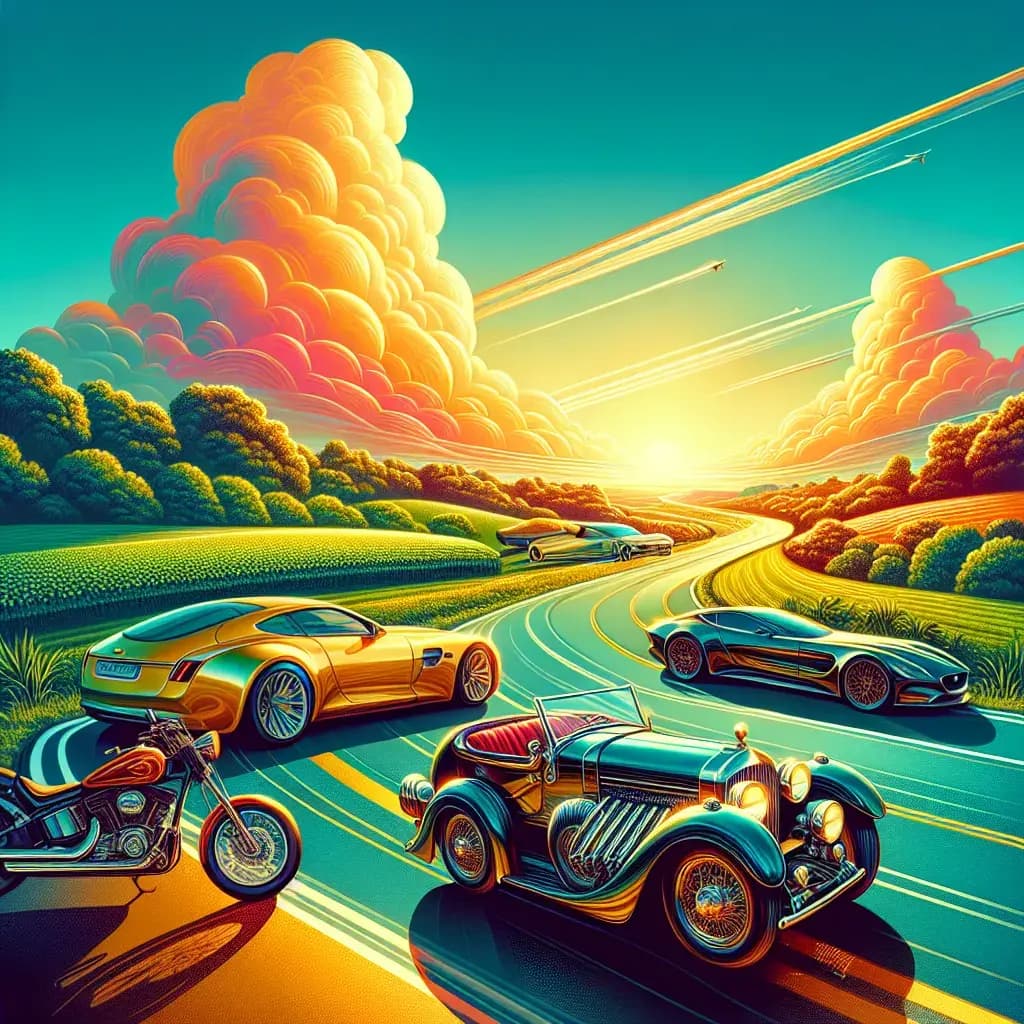
Exploring the Future of Vehicles: Innovations and Trends 2023
Discover the latest innovations and trends shaping the future of vehicles in 2023. Explore cutting-edge technologies and sustainable solutions driving change.
1. Introduction to Vehicles
1.1 Definition of Vehicles
A vehicle is defined as a machine, typically powered by an engine or motor, that transports people or goods from one location to another. Vehicles can be classified based on various criteria including their mode of operation, type of fuel used, and the terrain they are designed to traverse. The basic function of vehicles remains the same: to facilitate movement and transport, which is essential for trade, commerce, and personal mobility.
1.2 Historical Evolution
The history of vehicles is as old as civilization itself. Early human beings utilized simple modes of transport such as walking, which eventually progressed to the use of animals. The invention of the wheel around 3500 BC in Mesopotamia marked a significant milestone in transportation technology.
By the 19th century, steam-powered vehicles emerged, paving the way for the first automobiles in the late 1800s. The introduction of the assembly line by Henry Ford in 1913 revolutionized vehicle production, making cars more affordable and accessible to the general public. The proliferation of internal combustion engines led to the expansion of road networks and urbanization.
In recent decades, the automotive industry has witnessed a remarkable transformation with the introduction of electric and hybrid vehicles, highlighting a shift towards sustainable transportation solutions.
1.3 Importance in Modern Society
Vehicles play a pivotal role in modern society, impacting almost every aspect of daily life. They enhance mobility, allowing individuals to commute to work, access education, and engage in leisure activities. Vehicles also facilitate the movement of goods, underpinning global trade and commerce.
Moreover, the automotive sector is a significant contributor to the economy, providing millions of jobs worldwide. Additionally, advancements in vehicle technology have led to improved safety measures, enhanced comfort, and increased efficiency, further solidifying their importance in contemporary life.
2. Types of Vehicles
2.1 Land Vehicles
Land vehicles are designed for travel over land surfaces and can be categorized into several types:
- Automobiles:These include cars, trucks, and vans that are primarily used for personal transport and freight delivery.
- Bicycles:Non-motorized vehicles that rely on human power for propulsion.
- Motorcycles:Two-wheeled motorized vehicles that offer a more agile mode of transport.
- Trains:Rail vehicles that transport passengers and goods over long distances efficiently.
- Public Transit:Buses and trams that provide shared transportation services in urban areas.
2.2 Watercraft
Watercraft are vehicles designed for navigation on water bodies. They can be categorized as follows:
- Ships:Large watercraft designed for transporting goods and passengers across oceans.
- Boats:Smaller vessels primarily used for recreational purposes, fishing, or short-distance transport.
- Submarines:Specialized vessels capable of underwater navigation, often used in military operations.
- Ferries:Boats designed to carry passengers and vehicles across water bodies on a regular basis.
2.3 Aircraft
Aircraft are vehicles capable of flight, categorized into various types:
- Commercial Airliners:Large planes designed to transport passengers over long distances.
- Private Jets:Smaller aircraft used for personal or business travel.
- Cargo Planes:Specialized aircraft designed for transporting goods and freight.
- Helicopters:Aircraft capable of vertical takeoff and landing, often used for emergency services and transport to remote locations.
3. Vehicle Components and Technology
3.1 Engine Types and Mechanics
The engine is the heart of any vehicle, converting fuel into mechanical energy to propel the vehicle. The primary types of engines include:
- Internal Combustion Engines:These engines burn fuel within the engine chamber, creating a series of explosions that generate power. They are common in most automobiles.
- Electric Motors:Utilized in electric and hybrid vehicles, these motors convert electrical energy into mechanical energy, offering a cleaner alternative to traditional engines.
- Hybrid Engines:These combine internal combustion and electric power, allowing for improved fuel efficiency and reduced emissions.
3.2 Safety Features
Modern vehicles are equipped with numerous safety features designed to protect occupants and pedestrians. Some key safety features include:
- Airbags:Deploy in the event of a collision to cushion and protect passengers.
- Anti-lock Braking System (ABS):Prevents the wheels from locking during braking, allowing the driver to maintain steering control.
- Electronic Stability Control (ESC):Helps prevent skidding and loss of control by automatically applying brakes to individual wheels.
- Lane Departure Warning Systems:Alert drivers if they unintentionally drift out of their lane.
- Advanced Driver Assistance Systems (ADAS):Incorporate features such as adaptive cruise control, blind-spot detection, and automatic emergency braking to enhance overall vehicle safety.
3.3 Emerging Technologies (Electric, Autonomous)
Technological advancements have led to the emergence of electric and autonomous vehicles, representing the future of transportation:
- Electric Vehicles (EVs):These vehicles rely solely on electric power, resulting in zero tailpipe emissions. The increasing availability of charging infrastructure has made EVs more viable for consumers.
- Autonomous Vehicles:Also known as self-driving cars, these vehicles use sensors, cameras, and artificial intelligence to navigate without human intervention. Companies like Tesla, Waymo, and Uber are at the forefront of developing autonomous driving technology.
- Connected Vehicles:These vehicles are equipped with internet connectivity, enabling communication with other vehicles and infrastructure to improve safety and traffic management.
4. Environmental Impact of Vehicles
4.1 Emissions and Pollution
Vehicles are significant contributors to air pollution, emitting harmful gases such as carbon monoxide, nitrogen oxides, and particulate matter. These emissions can lead to serious health issues and contribute to climate change.
Carbon dioxide (CO2) is the most prevalent greenhouse gas emitted by vehicles, resulting from the combustion of fossil fuels. The transportation sector is responsible for a substantial portion of global CO2 emissions, prompting governments and organizations to seek more sustainable alternatives.
4.2 Fuel Efficiency and Sustainability
Fuel efficiency is a critical factor in reducing the environmental impact of vehicles. Advances in technology have led to the development of more efficient engines and lighter materials, enhancing fuel economy.
Moreover, hybrid and electric vehicles offer promising solutions, as they consume less fuel and produce fewer emissions compared to traditional gasoline-powered vehicles. Governments worldwide are implementing stricter fuel economy standards to encourage manufacturers to develop more sustainable vehicles.
4.3 Future Trends in Eco-Friendly Vehicles
The future of vehicles is leaning towards sustainability, with several trends emerging:
- Increased Electric Vehicle Adoption:As battery technology improves and charging infrastructure expands, more consumers are likely to switch to electric vehicles.
- Alternative Fuels:Research into hydrogen fuel cells and biofuels offers potential for reducing reliance on fossil fuels.
- Shared Mobility Solutions:Car-sharing and ride-hailing services can reduce the number of vehicles on the road, decreasing emissions and congestion.
5. The Future of Transportation
5.1 Innovations in Vehicle Design
The design of vehicles is evolving to meet the demands of modern society. Innovations such as lightweight materials, aerodynamic shapes, and energy-efficient designs are becoming standard practices. Additionally, manufacturers are exploring modular vehicle designs that allow for easier upgrades and modifications.
5.2 Smart Transportation Systems
Smart transportation systems integrate technology into the transportation infrastructure. This includes traffic management systems that adjust traffic signals based on real-time conditions, reducing congestion and improving safety. Furthermore, vehicle-to-everything (V2X) communication enables vehicles to communicate with each other and with road infrastructure, enhancing the overall efficiency of transportation networks.
5.3 Challenges and Opportunities Ahead
While advancements in vehicle technology present numerous opportunities, challenges remain. Issues such as cybersecurity for autonomous vehicles, the need for widespread charging infrastructure for electric vehicles, and regulatory hurdles for new technologies must be addressed.
Additionally, the transition towards sustainable transportation requires collaboration among governments, manufacturers, and consumers. By working together, stakeholders can create a more efficient, safe, and environmentally friendly transportation system for future generations.
Written by Abdul Qudoos
Content creator and writer passionate about sharing knowledge.
View all posts →