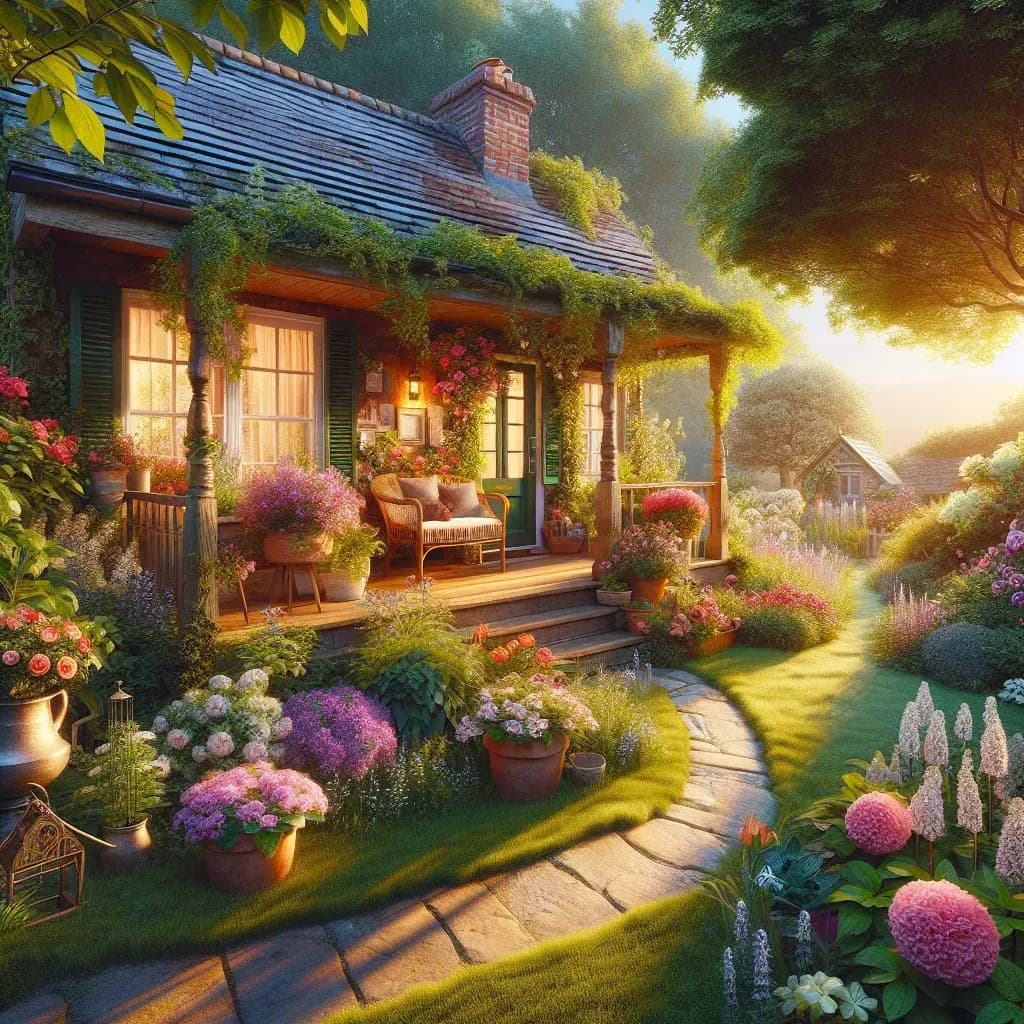
Essential Home and Garden Tips for a Flourishing Outdoor Space
Discover essential home and garden tips to transform your outdoor space into a flourishing paradise. Enhance your garden's beauty and vitality today!
1. Introduction to Home and Garden
The concept of home and garden is not merely about physical spaces; it's about creating a sanctuary that reflects personal style, promotes well-being, and enhances lifestyle. A well-designed home and garden can significantly impact your mood, productivity, and overall happiness. In this article, we will explore various aspects of home and garden design, from interior tips to gardening essentials, sustainable practices, and seasonal maintenance.
1.1 The Importance of a Well-Designed Home
A well-designed home is crucial for multiple reasons. It serves as a refuge from the outside world, a place where you can relax and recharge. The way we design our homes affects not only our physical comfort but also our mental well-being. Here are some key aspects to consider:
- Functionality:Good design ensures spaces are functional. Each room should serve a purpose, facilitating daily activities without hindrance.
- Aesthetics:The visual appeal of a home can influence mood. Thoughtful design choices can create a harmonious atmosphere.
- Flow:A well-designed home promotes a logical flow between spaces, making it easy to move from one area to another.
- Personalization:A home should reflect the personality and tastes of its inhabitants, making it uniquely theirs.
1.2 Creating a Harmonious Outdoor Space
The garden is an extension of your home, offering an outdoor space for relaxation, entertainment, and connection with nature. A harmonious outdoor space can enhance your quality of life. Here are some tips for creating an inviting garden:
- Plan Your Layout:Consider how you want to use your outdoor space. Do you prefer areas for entertaining, gardening, or simply relaxing?
- Select Appropriate Plants:Choose plants that thrive in your climate and fit your aesthetic preferences.
- Incorporate Hardscaping:Pathways, patios, and decks can enhance functionality while adding visual interest.
- Lighting:Proper outdoor lighting can transform your garden into an enchanting space at night.
1.3 Trends in Home and Garden Design
Design trends evolve, influenced by cultural shifts, technological advancements, and environmental considerations. Staying updated with the latest trends can inspire your own home and garden projects. Some notable trends include:
- Minimalism:Emphasizing simplicity and functionality, minimalism focuses on decluttering spaces and avoiding excess.
- Biophilic Design:This concept integrates nature into the built environment, promoting well-being and connection to the natural world.
- Sustainability:Eco-friendly materials, energy-efficient appliances, and sustainable gardening practices are gaining popularity.
- Smart Homes:Technology is becoming embedded in homes, allowing for automation and enhanced efficiency.
2. Interior Design Tips
Interior design is the art of enhancing the interior of a space to achieve a healthier and more aesthetically pleasing environment. Here are some practical tips that can help you create a stunning interior.
2.1 Choosing the Right Color Palette
The color palette sets the mood for your home. The right colors can make spaces feel larger, cozier, or more energetic. Here’s how to choose the right palette:
- Understand Color Psychology:Different colors evoke different emotions. For instance, blues and greens can create a calming effect, while reds and yellows can energize a space.
- Consider Lighting:The type of lighting (natural vs. artificial) can alter how colors appear. Test colors in various lighting conditions before making a decision.
- Use a Color Wheel:A color wheel can help you find complementary colors that work well together.
- Limit Your Palette:Stick to a few key colors to avoid overwhelming the space. A good rule of thumb is using 60-30-10 proportion: 60% dominant color, 30% secondary color, and 10% accent color.
2.2 Furniture Selection and Arrangement
The selection and arrangement of furniture can significantly impact the functionality and look of a room. Here are some tips to consider:
- Measure Your Space:Always measure your room and furniture to ensure a good fit. Overcrowding can make a space feel cramped.
- Choose Multi-Functional Pieces:Furniture that serves multiple purposes can save space and add versatility.
- Prioritize Comfort:Aesthetics are important, but comfort should not be sacrificed. Test furniture for comfort before purchase.
- Consider Traffic Flow:Arrange furniture to allow easy movement throughout the space, avoiding obstacles.
2.3 Incorporating Personal Touches
Personal touches make a house feel like a home. Here are some ways to infuse your personality into your design:
- Display Art and Photography:Personal artworks and family photographs can tell your story and make the space feel unique.
- Use Textiles:Incorporate cushions, throws, and rugs that reflect your style and add warmth to the decor.
- Choose Unique Accessories:Look for unusual decorative items that resonate with your tastes, such as vintage finds or handmade pieces.
- Incorporate Hobbies:Showcase items that reflect your hobbies, such as books, musical instruments, or travel souvenirs.
3. Gardening Essentials
A thriving garden requires knowledge and care. Understanding gardening fundamentals can help you cultivate a beautiful and productive outdoor space.
3.1 Understanding Soil and Fertilization
Soil is the foundation of a healthy garden. Here’s what you need to know about soil and fertilization:
- Soil Types:Different plants thrive in different soil types (sandy, clay, loamy). Conduct a soil test to determine the type and pH level.
- Improving Soil Quality:Organic matter, such as compost and mulch, can improve soil structure and nutrient content.
- Fertilization:Use fertilizers to replenish nutrients. Organic options like compost, manure, and bone meal are beneficial and eco-friendly.
- Timing:Fertilize plants during their growing season for the best results. Follow specific guidelines for different plant types.
3.2 Choosing the Right Plants for Your Climate
Selecting plants suited to your climate is crucial for gardening success. Here are some tips:
- Research Hardiness Zones:Understand your USDA hardiness zone to select plants that can thrive in your local climate.
- Consider Sunlight:Assess how much sunlight your garden receives daily and choose plants accordingly (full sun, partial shade, or full shade).
- Native Plants:Opt for native plants that are adapted to your region, as they typically require less maintenance and are more resilient to local pests.
- Seasonal Variation:Incorporate a mix of perennials and annuals to ensure year-round interest in your garden.
3.3 Effective Pest Control Methods
Managing pests is an essential aspect of gardening. Here are some effective pest control methods:
- Integrated Pest Management (IPM):Combine biological, cultural, and chemical practices to manage pests sustainably.
- Encourage Beneficial Insects:Attract natural predators like ladybugs and lacewings to control pest populations.
- Use Organic Pesticides:If necessary, opt for organic pesticides that are less harmful to the environment and beneficial insects.
- Regular Monitoring:Keep an eye on your plants for early signs of pest infestations to address issues before they escalate.
4. Sustainable Living Practices
Adopting sustainable practices in your home and garden contributes to a healthier planet. Here are some eco-friendly approaches to consider:
4.1 Eco-Friendly Home Improvements
Making eco-friendly improvements to your home can reduce your carbon footprint and enhance energy efficiency. Here are some suggestions:
- Energy-Efficient Appliances:Invest in appliances with high Energy Star ratings to reduce energy consumption.
- Insulation and Sealing:Proper insulation and sealing can significantly lower heating and cooling costs.
- Solar Power:Consider installing solar panels to harness renewable energy and reduce reliance on fossil fuels.
- Use Sustainable Materials:When renovating, opt for sustainably sourced materials like bamboo, reclaimed wood, or recycled products.
4.2 Water Conservation Techniques in Gardening
Water scarcity is a growing concern, making conservation essential. Here are techniques to save water in your garden:
- Drip Irrigation:Install a drip irrigation system to deliver water directly to the roots, minimizing waste.
- Mulching:Use organic mulch to retain soil moisture and reduce evaporation.
- Rainwater Harvesting:Collect rainwater in barrels to use for watering your garden.
- Choose Drought-Resistant Plants:Select plants that require less water, such as succulents and native species.
4.3 Benefits of Composting
Composting is an excellent way to recycle organic waste while enriching your garden soil. Here are the benefits:
- Soil Enrichment:Compost adds vital nutrients to the soil, improving plant health and yield.
- Waste Reduction:Composting reduces the amount of organic waste sent to landfills, minimizing environmental impact.
- Water Retention:Compost helps soil retain moisture, reducing the need for frequent watering.
- Cost-Effective:By using compost instead of store-bought fertilizers, you can save money and promote sustainable gardening.
5. Seasonal Home and Garden Maintenance
Regular maintenance is essential for keeping your home and garden in top shape throughout the year. Different seasons require unique tasks. Here’s a seasonal maintenance guide:
5.1 Spring Cleaning and Preparation
Spring is the perfect time to refresh your home and prepare your garden for the growing season. Consider the following:
- Declutter:Go through each room and remove items you no longer need. Donate or recycle as appropriate.
- Deep Clean:Clean windows, carpets, and upholstery. Don’t forget to dust hard-to-reach areas.
- Garden Preparation:Clear debris from your garden, and prepare your soil for planting.
- Plan Your Garden:Decide what to plant and where, considering crop rotation and companion planting.
5.2 Summer Gardening Tasks
During summer, the focus shifts to maintaining your garden. Here are key tasks to tackle:
- Watering:Ensure consistent watering, especially during dry spells. Early morning is the best time to water.
- Weeding:Regularly remove weeds to prevent competition for nutrients and water.
- Pest Monitoring:Keep an eye on pest activity and take action when necessary.
- Harvesting:Regularly harvest fruits and vegetables to encourage continued production.
5.3 Winterizing Your Home and Garden
As winter approaches, it’s essential to protect your home and garden from cold weather. Here’s what to do:
- Insulate Pipes:Prevent freezing by insulating exposed pipes and allowing faucets to drip.
- Protect Plants:Use mulch and protective coverings for vulnerable plants to shield them from frost.
- Clean Gutters:Clear gutters and downspouts to prevent ice dams and water damage.
- Prepare Indoor Spaces:Ensure heating systems are in good working order and check for drafts around windows and doors.
In conclusion, creating a beautiful home and garden requires thoughtful planning, attention to detail, and a willingness to adapt to changing needs and trends. By following the tips and practices outlined in this article, you can cultivate a space that is not only visually appealing but also functional and sustainable. Whether you're redesigning your interior, nurturing your garden, or implementing eco-friendly practices, the goal remains the same: to create a harmonious living environment that enriches your life.
Written by Abdul Qudoos
Content creator and writer passionate about sharing knowledge.
View all posts →