Top 10 Must-Play Games of 2023: Your Ultimate Gaming Guide
Discover the top 10 must-play games of 2023! Explore your ultimate gaming guide for the best titles that define this year's gaming experience.
Introduction to Games
Definition of Games
Games are structured forms of play, typically undertaken for enjoyment, entertainment, or educational purposes. They often involve goals, rules, challenges, and interaction, whether with other players or through a controlled environment. The definition of games encompasses a wide variety of formats, including physical activities, board games, video games, and more. They serve as a means of recreation and can also foster competition and teamwork.
History of Gaming
The history of gaming can be traced back thousands of years. Archaeological findings suggest that board games like Senet and Chess have roots in ancient civilizations. Senet, played in ancient Egypt, dates back to around 3100 BC, while Chess evolved in India during the 6th century AD. However, it wasn't until the 20th century that gaming underwent a significant transformation with the advent of electronic games.
The first electronic game, "Tennis for Two," was created in 1958, followed by the introduction of arcade games in the 1970s, such as "Pong." The 1980s and 1990s saw the rise of home consoles like the Atari and Nintendo Entertainment System, which revolutionized the gaming landscape. The introduction of personal computers allowed more complex games to be developed, leading to genres like role-playing games (RPGs) and first-person shooters (FPS).
Today, gaming is a multi-billion dollar industry with a diverse range of platforms, from consoles and PCs to mobile devices. The rise of online gaming has created vast communities of players worldwide, further solidifying gaming's place in modern society.
Importance of Games in Society
Games hold significant importance in society for various reasons:
- Entertainment:Games provide a source of enjoyment and relaxation, serving as a necessary escape from the stresses of daily life.
- Education:Many games are designed with educational purposes in mind, teaching players about history, science, and critical thinking.
- Social Interaction:Games foster social connections, enabling individuals to form friendships and communities both online and offline.
- Skill Development:Playing games can enhance skills such as problem-solving, strategic thinking, and coordination.
- Cultural Reflection:Games often reflect cultural values and societal norms, providing insights into various cultures and historical events.
Types of Games
Video Games
Video games are perhaps the most recognized type of games in contemporary society. They encompass a vast range of genres, including action, adventure, simulation, role-playing, and strategy games. Video games can be played on various platforms, including consoles, computers, and mobile devices. Some popular video games include "The Legend of Zelda," "Call of Duty," and "Fortnite."
Video games often offer immersive experiences with rich narratives, stunning graphics, and complex gameplay mechanics. They also support multiplayer modes, allowing players to compete or collaborate with others worldwide. The rise of esports has further elevated the status of video games, turning competitive gaming into a spectator sport with millions of fans.
Board Games
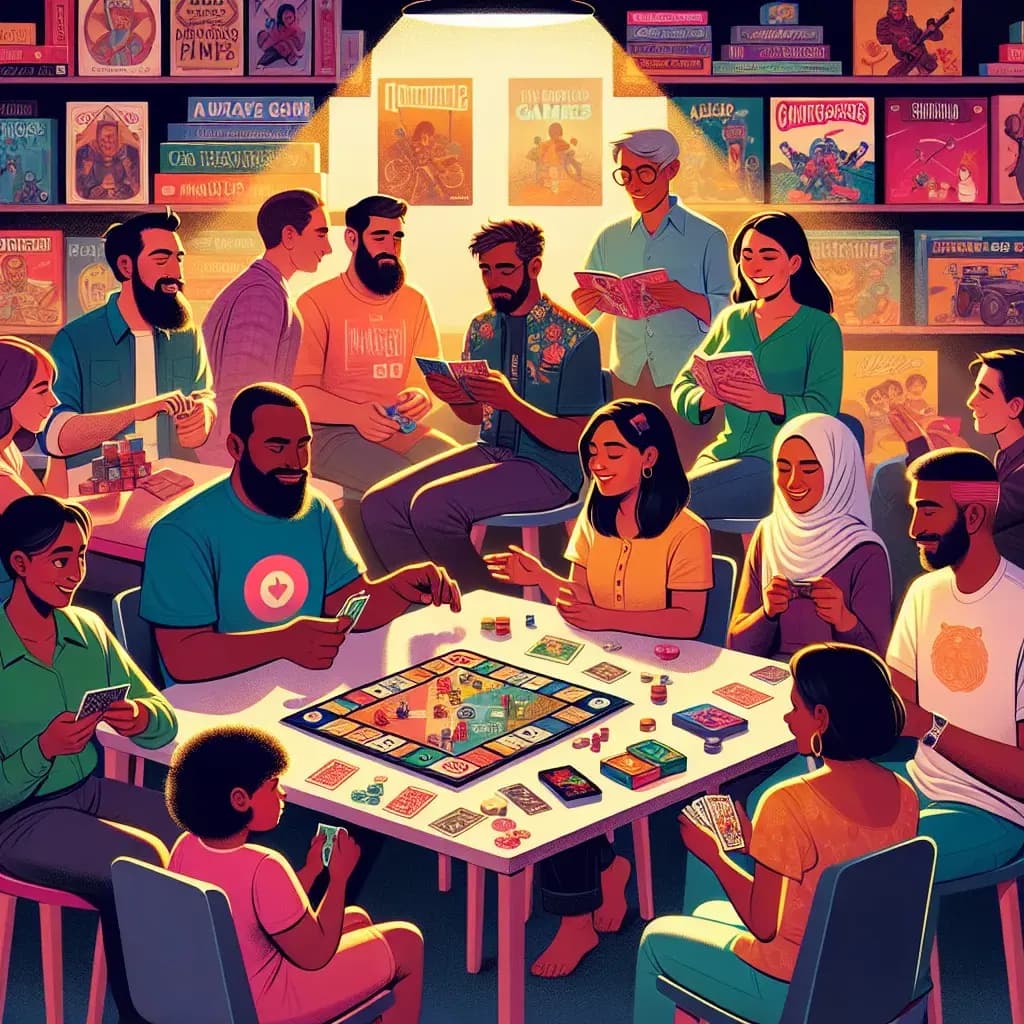
Board games have been a staple of entertainment for centuries, offering face-to-face interaction and social engagement. These games typically involve a board, pieces, and rules, and they can range from simple games like "Monopoly" to complex strategy games like "Settlers of Catan."
Board games promote critical thinking, teamwork, and communication skills. They often serve as a means for families and friends to bond, create lasting memories, and enjoy friendly competition. In recent years, the board game industry has seen a resurgence in popularity, with new titles and innovations emerging to attract diverse audiences.
Sports and Physical Games
Sports and physical games encompass a wide range of athletic activities that promote physical fitness, teamwork, and competition. From team sports like soccer and basketball to individual pursuits like tennis and swimming, these games foster a spirit of camaraderie and healthy competition.
Engaging in sports has numerous benefits, including improved physical health, enhanced mental well-being, and the development of important life skills such as discipline, resilience, and leadership. Organized sports also provide opportunities for community engagement and socialization, contributing to a sense of belonging and identity.
The Psychology of Gaming
Motivation Behind Playing Games
Various factors motivate individuals to play games. Understanding these motivations can provide insights into why gaming is such a popular activity:
- Escapism:Many players turn to games as a form of escapism, allowing them to immerse themselves in alternate realities and adventures.
- Achievement:Games often include challenges and goals that provide a sense of accomplishment when completed, which can be highly rewarding.
- Social Interaction:The desire to connect with friends or meet new people can drive individuals to engage in multiplayer games.
- Curiosity:The intrigue of exploring new worlds, characters, and narratives can captivate players and keep them engaged.
- Competition:Many gamers thrive on competition, seeking to improve their skills and outperform others.
Impact on Cognitive Skills
Research has shown that gaming can have a positive impact on cognitive skills. Some benefits include:
- Improved Problem-Solving:Many games require players to solve complex puzzles and overcome obstacles, enhancing critical thinking skills.
- Enhanced Memory:Players often need to remember game mechanics, strategies, or storylines, contributing to improved memory function.
- Spatial Awareness:Action and adventure games can enhance spatial awareness and hand-eye coordination, as players must navigate virtual environments.
- Multitasking Skills:Fast-paced games that require quick decision-making can improve multitasking abilities and reaction times.
Social Interaction and Community
Games foster social interaction and create communities among players. Online gaming platforms enable individuals to connect with others globally, forming friendships and alliances. Many games also incorporate social features such as chat functions, forums, and guilds, enhancing the communal experience.
Participating in gaming communities can provide players with a sense of belonging, support, and camaraderie. Events such as gaming conventions, esports tournaments, and online competitions further strengthen these bonds, allowing players to share their passion for gaming and celebrate their achievements together.
The Future of Gaming
Emerging Technologies in Gaming
The gaming industry is continually evolving, driven by emerging technologies that enhance the gaming experience. Some key technologies shaping the future of gaming include:
- Virtual Reality (VR):VR technology immerses players in a 3D environment, providing a more engaging and realistic gaming experience.
- Augmented Reality (AR):AR blends virtual elements with the real world, allowing players to interact with both in innovative ways, as seen in games like "Pokémon GO."
- Cloud Gaming:Cloud gaming services allow players to stream games directly to their devices without the need for powerful hardware, making gaming more accessible.
- Artificial Intelligence (AI):AI is being used to create more realistic non-player characters (NPCs) and dynamic game environments, enhancing gameplay.
Trends in Game Development
The gaming industry is witnessing several trends that are shaping its future:
- Indie Game Development:The rise of indie developers has led to innovative, creative, and diverse games that challenge traditional gaming norms.
- Inclusion and Diversity:Game developers are increasingly focusing on creating inclusive games that represent diverse cultures, genders, and experiences.
- Cross-Platform Play:Many games now support cross-platform play, allowing players on different devices to compete and collaborate with each other.
- Sustainability:As awareness of environmental issues grows, game developers are exploring sustainable practices in game production and distribution.
Predictions for the Gaming Industry
As the gaming industry continues to grow and evolve, several predictions can be made for its future:
- The gaming audience will continue to expand, with more players from diverse backgrounds engaging with games.
- Technological advancements will further blur the line between reality and virtual experiences, making games more immersive.
- Esports will become increasingly mainstream, with larger audiences and more sponsorship opportunities.
- Game streaming and content creation will become significant career paths, with more platforms emerging to support these industries.
- Social and community aspects of gaming will continue to be emphasized, with developers creating experiences that foster connections among players.
Conclusion
Summary of Key Points
Games have evolved dramatically over the centuries, from traditional board games to complex video games and immersive sports. They play a crucial role in entertainment, education, and social interaction, fostering community and enhancing cognitive skills. As technology continues to advance, the future of gaming promises even more exciting developments and opportunities.
Final Thoughts on Gaming
Gaming is not merely a pastime; it is a powerful medium that influences culture, community, and personal development. Whether through video games, board games, or sports, the impact of gaming on society is profound and far-reaching.
Call to Action for Gamers and Developers
As gamers and developers, it is essential to embrace the potential of games to connect, educate, and inspire. Gamers should seek out diverse experiences and engage with communities, while developers should innovate and create inclusive, meaningful games that resonate with players. Together, we can shape the future of gaming into an even more enriching and dynamic landscape.
Written by Abdul Qudoos
Content creator and writer passionate about sharing knowledge.
View all posts →