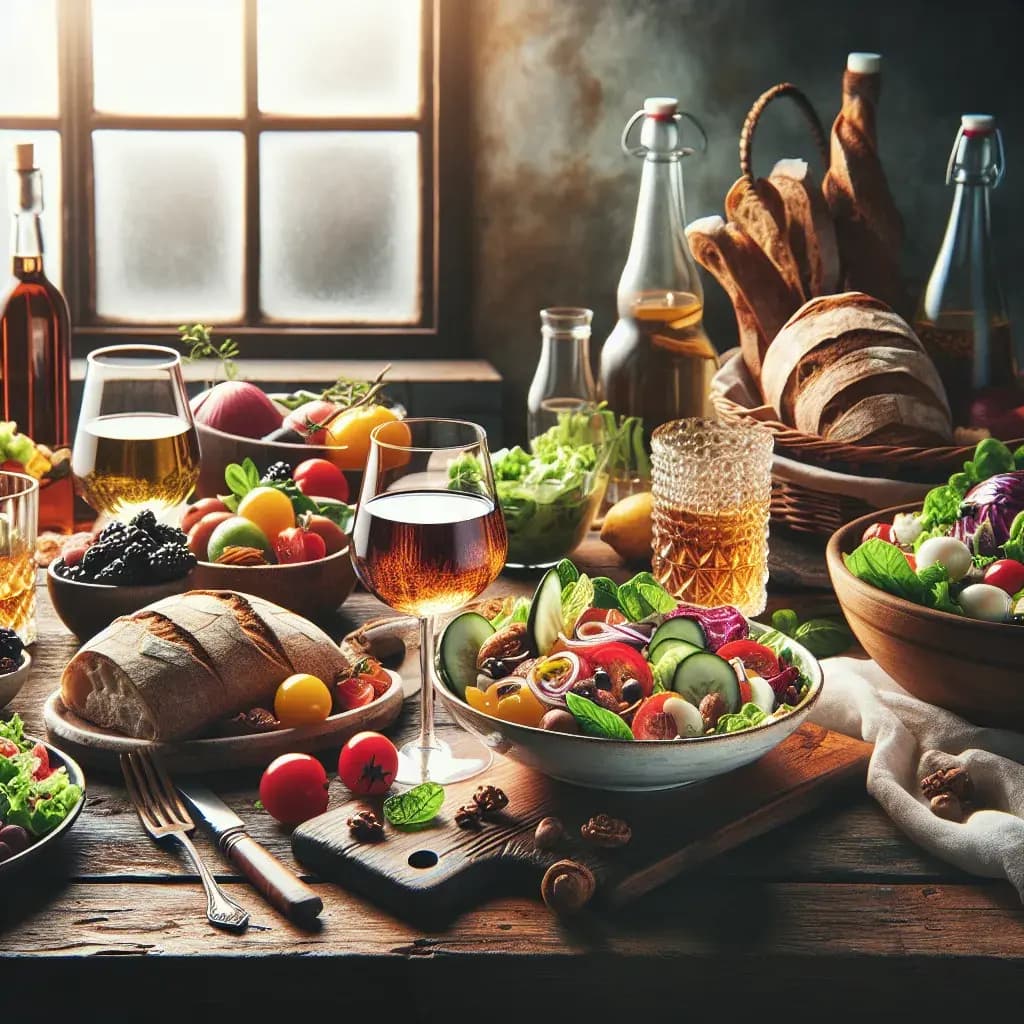
Exploring Culinary Delights: Top Food and Drink Trends for 2023
Discover the top food and drink trends of 2023! Dive into culinary delights that will tantalize your taste buds and inspire your next meal.
Introduction to Food and Drink
Food and drink are fundamental aspects of human life, serving not only as a source of nourishment but also as a means of cultural expression and social interaction. The variety of cuisines around the world reflects the diversity of human experience, with each region offering its unique flavors, techniques, and traditions. In this article, we will explore global cuisines, the cultural significance of food, current trends in consumption, and much more.
Overview of Global Cuisines
Global cuisines are as diverse as the countries and cultures they originate from. Each cuisine tells a story, shaped by geography, climate, history, and local ingredients. Here are some notable examples:
- Italian Cuisine:Known for its regional diversity, Italian cuisine emphasizes fresh, high-quality ingredients and simple preparation methods. Dishes like pasta, pizza, and risotto are beloved around the world.
- Chinese Cuisine:With its rich history, Chinese cuisine features a wide variety of ingredients and cooking techniques, resulting in flavors that range from sweet and sour to spicy and savory.
- Mexican Cuisine:A blend of indigenous and Spanish influences, Mexican cuisine is famous for its bold flavors and vibrant colors. Staples include corn, beans, and chili peppers.
- Indian Cuisine:Renowned for its use of spices, Indian cuisine varies significantly by region, with each area offering distinct flavors and cooking styles.
The Role of Food in Culture
Food is deeply intertwined with culture, serving as a medium for social connection and identity. It plays a crucial role in rituals, celebrations, and traditions. For example:
- Festivals:Many cultures celebrate harvests and seasonal changes with food festivals, incorporating traditional dishes that symbolize abundance and gratitude.
- Rituals:Food is often central to religious and spiritual practices, such as fasting during Ramadan in Islam or the Seder meal during Passover in Judaism.
- Family and Community:Sharing meals is a way to strengthen bonds among family and friends, emphasizing the importance of togetherness in many cultures.
Trends in Food and Beverage Consumption
The food and beverage industry continually evolves, influenced by changing consumer preferences, societal trends, and technological advancements. Some current trends include:
- Plant-Based Diets:With growing awareness of health and environmental issues, more people are adopting vegetarian and vegan diets, leading to an increase in plant-based products.
- Health Consciousness:Consumers are becoming more health-conscious, seeking out foods that offer nutritional benefits, such as superfoods, organic options, and functional beverages.
- Sustainability:There is a rising demand for sustainable and ethically sourced food and drink, prompting brands to adopt more eco-friendly practices.
Types of Cuisines
Regional Cuisine Variations
Regional cuisines reflect the local geography, climate, and culture, leading to distinct culinary traditions. Here are a few examples:
- Southern U.S. Cuisine:Known for its comfort food, Southern cuisine features ingredients like corn, beans, and various meats, often cooked using techniques such as frying and slow cooking.
- Japanese Cuisine:Emphasizing seasonal ingredients and presentation, Japanese cuisine includes rice, fish, and vegetables, often prepared using techniques like steaming and grilling.
- Middle Eastern Cuisine:Characterized by the use of spices, herbs, and grains, Middle Eastern cuisine features dishes like hummus, falafel, and kebabs.
Fusion Cuisine
Fusion cuisine merges elements from different culinary traditions, creating innovative dishes that reflect diverse influences. For example:
- Tex-Mex:A blend of Texan and Mexican flavors, Tex-Mex cuisine features dishes like nachos, fajitas, and chili con carne.
- Asian Fusion:This style incorporates elements from various Asian cuisines, resulting in dishes like sushi burritos and Korean tacos.
- California Cuisine:Focusing on fresh, local ingredients, California cuisine often incorporates influences from Mexican, Asian, and Mediterranean cooking.
Vegetarian and Vegan Options
With the rise of plant-based eating, vegetarian and vegan options have gained popularity. These diets focus on eliminating or reducing animal products, leading to a wealth of creative and nutritious dishes, such as:
- Vegetable Stir-Fries:Quick and flavorful, stir-fries can be made with a variety of vegetables and plant-based proteins.
- Vegan Tacos:Filled with ingredients like beans, lentils, and fresh vegetables, vegan tacos are a delicious alternative to traditional meat tacos.
- Plant-Based Burgers:Made from ingredients like black beans, lentils, or chickpeas, these burgers provide a satisfying meat substitute.
Food Preparation Techniques
Cooking Methods
Cooking methods can greatly influence the flavor, texture, and nutritional value of food. Common techniques include:
- Grilling:Cooking food over an open flame adds a smoky flavor and creates appealing grill marks.
- Steaming:A healthy cooking method that preserves nutrients, steaming is ideal for vegetables and fish.
- Baking:Utilizing dry heat in an oven, baking is essential for preparing bread, pastries, and casseroles.
Preservation Techniques
Preservation techniques help extend the shelf life of food while maintaining its quality. Some popular methods include:
- Canning:This method involves sealing food in airtight containers to prevent spoilage.
- Freezing:Freezing food preserves its freshness by slowing down enzymatic activity.
- Fermentation:A process that uses bacteria or yeast to convert sugars into acids or alcohol, fermentation is used to make items like yogurt, sauerkraut, and kombucha.
Presentation and Plating
Food presentation is an essential aspect of culinary arts. Beautifully plated dishes enhance the dining experience and can elevate simple meals into extraordinary ones. Key elements include:
- Color:A vibrant mix of colors can make a dish visually appealing.
- Texture:Combining different textures, such as creamy, crunchy, and chewy, adds interest to a plate.
- Garnishes:Thoughtful garnishes can enhance flavor and presentation, such as fresh herbs, edible flowers, or a drizzle of sauce.
Pairing Food and Drink
Wine Pairing Basics
Wine pairing enhances the dining experience by complementing the flavors of the food. Basic principles include:
- Red Wine with Red Meat:Bold red wines, like Cabernet Sauvignon or Merlot, pair well with rich red meats.
- White Wine with Fish:Crisp white wines, such as Sauvignon Blanc, complement the delicate flavors of fish.
- Sweet Wines with Spicy Dishes:Off-dry wines can balance the heat in spicy foods, such as Thai or Indian cuisine.
Craft Beer and Food Combinations
Craft beer has gained popularity, and its diverse flavors can enhance food pairings. Consider the following combinations:
- IPAs with Spicy Food:The hoppy bitterness of IPAs can cut through the heat of spicy dishes.
- Stouts with Desserts:The rich, creamy profile of stouts pairs well with chocolate desserts.
- Wheat Beers with Salads:Light and refreshing wheat beers complement the freshness of salads and seafood.
Non-Alcoholic Pairings
For those who prefer non-alcoholic options, pairing beverages with food can still enhance the meal. Popular non-alcoholic pairings include:
- Herbal Teas with Light Dishes:Herbal teas, such as chamomile or peppermint, can complement light salads and seafood.
- Sparkling Water with Rich Foods:The effervescence of sparkling water can cleanse the palate between bites of rich dishes.
- Fresh Juices with Breakfast:Freshly squeezed juices provide a refreshing complement to breakfast items like pancakes or omelets.
Health and Nutrition
Understanding Food Labels
Food labels provide vital information about the nutritional content of products. Key elements to look for include:
- Serving Size:Understanding serving sizes helps gauge the quantity of calories and nutrients consumed.
- Ingredients List:Ingredients are listed in order of quantity. The first few ingredients are typically the most significant.
- Nutritional Facts:These provide information on calories, fats, carbohydrates, proteins, vitamins, and minerals.
Balanced Diet Essentials
A balanced diet is essential for maintaining health and well-being. Key components include:
- Fruits and Vegetables:Aim for a variety of colors and types, providing essential vitamins and minerals.
- Whole Grains:Opt for whole grains over refined grains for added fiber and nutrients.
- Protein Sources:Include a mix of lean meats, fish, legumes, and plant-based proteins to meet dietary needs.
Impact of Food on Wellbeing
The food we consume has a profound impact on our physical and mental well-being. Research shows that:
- Nutrition and Mood:Diets rich in whole foods can improve mood and cognitive function, while processed foods may be linked to anxiety and depression.
- Physical Health:A balanced diet supports immune function, reduces the risk of chronic diseases, and promotes overall health.
- Gut Health:A diet rich in fiber and probiotics can improve digestive health, leading to better nutrient absorption and overall wellness.
Written by Abdul Qudoos
Content creator and writer passionate about sharing knowledge.
View all posts →